The Value Verdict
BUY
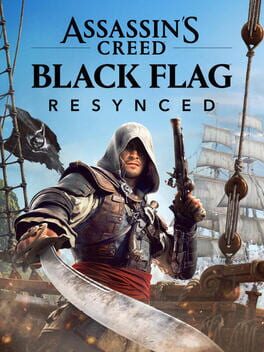
Assassin's Creed Black Flag Resynced is a triumphant return to the Golden Age of Piracy that fixes the original's lingering frustrations while cementing itself as the definitive pirate fantasy. By stripping away the clunky tailing missions and artificial barriers of the 2013 classic and replacing them with a modernized, fluid combat and movement suite, Ubisoft has breathed new life into Edward Kenway's journey. While it remains fundamentally a reimagining of a beloved foundation rather than a total franchise departure, it is a visually breathtaking, immensely satisfying adventure that proves the Jackdaw still commands the high seas with unrivalled style.
The Gist (Spoiler-Free)
After years of longing for a return to the series' peak naval combat, Black Flag Resynced lands as the ultimate "remake done right." You are not just replaying a decade-old game; you are stepping into a fully realised, current-gen Caribbean that feels more dangerous and vibrant than ever before. The story of Edward Kenway, the selfish privateer-turned-assassin, is presented with newfound emotional depth, thanks to a complete overhaul of the original motion capture and a revamped script that leans harder into the moral grey areas of the pirate code.
The narrative structure benefits immensely from the removal of the immersion-breaking Abstergo office sequences. Instead, the focus is entirely on the rise and fall of the Republic of Pirates. Watching Edward navigate his greed against his growing sense of duty feels more impactful in 2026, and the pacing is vastly improved, allowing the character's arc to breathe without the frequent interruptions of the past.
The Gameplay Loop
The core loop remains the gold standard for nautical open-world games: sail, hunt, loot, and upgrade. However, the mechanical friction has been sanded down. The combat system has moved away from the "wait-and-counter" dance of the original, favouring a more reactive, timing-based system that makes every skirmish feel visceral.
The biggest game-changer is the refined naval integration. Docking at forts or island hideouts is now entirely seamless, eliminating the jarring load screens that defined the original experience. The Jackdaw feels more responsive than ever, with new heavy-sea physics that turn gale-force storms into terrifying tactical hazards rather than simple visual effects. When things go wrong and you are forced to board enemy vessels, the transition from ship-to-ship combat to on-deck melee is instantaneous, keeping the momentum high and the stakes feeling real.
The parkour system has also received a massive, much-needed injection of agility. You no longer get stuck on random geometry; the movement feels intentional and precise, reminiscent of the flow found in Assassin's Creed Mirage. Whether you are chasing an informant through the rooftops of Havana or hunting for Mayan stelae in the jungle, the traversal feels like a reward in itself.
Hardware & Performance
- ›Visuals: Powered by the latest iteration of the Anvil engine, this is a masterclass in environmental fidelity. The volumetric water simulation is the star of the show; whether you are navigating calm, crystal-clear shallows or battling through a cyclonic storm at night, the way the light interacts with the waves is mesmerising. The density of the tropical foliage and the architectural detail in the colonial cities look incredible on modern hardware.
- ›Performance: The game hits a rock-solid 60fps on PS5, with a 40fps fidelity mode for those who prefer higher resolution. Even in the heat of a massive naval blockade with multiple ships firing broadsides and debris flying, the framerate holds steady without a hitch. Asset streaming is near-instant, making the vast map feel truly connected.
Is It Worth the Money?
Ubisoft has managed to capture lightning in a bottle twice, proving that Black Flag was always a masterpiece in waiting.
Hours vs. Dollars: You are getting a massive amount of high-quality content, easily 25-30 hours for the main campaign alone, excluding the exhaustive list of side activities, whaling, and naval contracts, that feels like a phenomenal value. However, it is worth noting that this value is slightly tarnished by the game's aggressive monetisation. The inclusion of an in-game store pushing cosmetic bundles and convenience items can feel intrusive, occasionally pulling you out of the experience to remind you of the "Games-as-a-Service" design philosophy that modern titles are increasingly adopting.
The Verdict: While Assassin's Creed Black Flag Resynced relies heavily on the blueprint established by its spiritual predecessor, it executes that formula with near-perfect precision. Even with the presence of unnecessary microtransactions, it remains an essential experience for anyone who loves high-seas adventure, proving that Edward Kenway's journey has officially found his perfect home in modern gaming.